(And Why Humans React the Same Way Worldwide)
Wildfoot Hypothesis Series Part 9
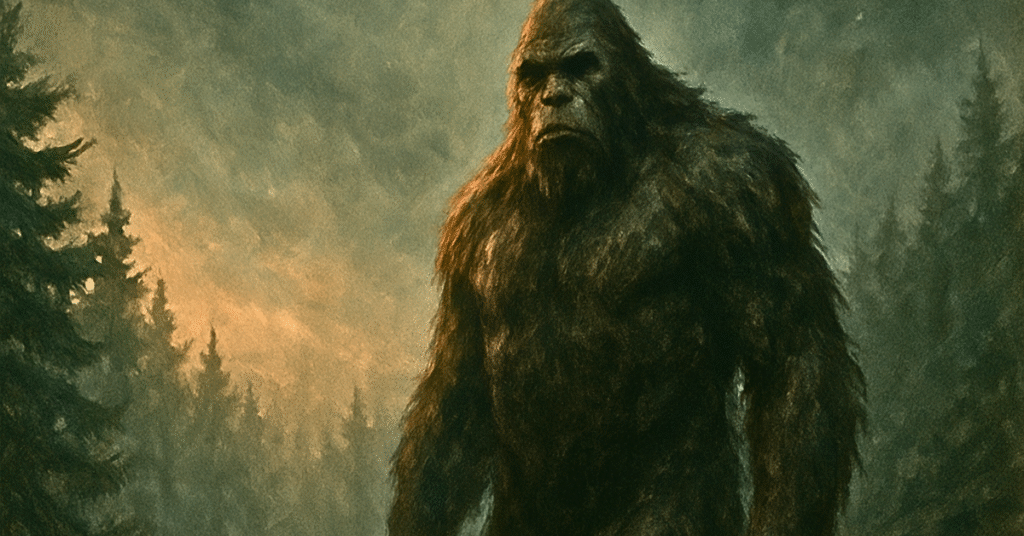
There’s a moment people talk about long before they describe the creature itself.
It hits before the sighting.
Before the movement.
Before the sound.
It’s that deep, ancient awareness.
A pressure shift.
A stillness in the air.
A calm fear instead of panic.
A feeling of being watched that sinks straight into your bones.
And it doesn’t matter where the encounter happened
Canada, Russia, China, Brazil, the U.S. mountains
people describe the exact same emotional hit.
That’s where the bloodline theory begins.
Because humans don’t react to Bigfoot like an animal.
They react to Bigfoot like a being.
Let’s walk through it.
- People Sense Bigfoot Before They See Bigfoot
- Witnesses Describe Intelligence, Not Instinct
- Ancient Cultures Never Saw Them as Animals
- Their Behavior Matches Intelligence
- Their Physical Traits Hit Something Deep in Us
- Worldwide Consistency Is the Final Clue
- People Also Asked
- Featured Book: Hidden Bloodlines of Bigfoot
People Sense Bigfoot Before They See Bigfoot

This is one of the strongest patterns in modern sightings:
Humans feel the presence first.
Witnesses say:
“Something was there.”
“My instincts fired before my eyes did.”
“It felt like someone was watching me.”
This is not how we react to wildlife.
This is recognition
that old part of us responding to something it somehow already understands.
Witnesses Describe Intelligence, Not Instinct

When people finally see Bigfoot, their descriptions sound the same too:
“He looked at me like a person.”
“There was emotion in its eyes.”
“It wasn’t afraid. It was aware.”
“It felt like it was evaluating me.”
This is not wildlife language.
This is human-level awareness,
connection,
and presence.
It’s the kind of interaction that feels familiar, even when the being itself doesn’t.
Ancient Cultures Never Saw Them as Animals

Before the modern Bigfoot name, hundreds of cultures talked about:
• The Forest People
• The Hairy Men
• The Old Ones
• Night Watchers
• The Deep-Earth Tribes
• Stone Giants
They weren’t described as beasts.
They were described as a people
a different people, yes,
but still a people.
And that memory has lasted for thousands of years.
It didn’t disappear because it was myth
it lasted because encounters stayed consistent.
Their Behavior Matches Intelligence
Across thousands of sightings, people talk about:
✓ boundary-setting
✓ warning behavior
✓ curiosity
✓ emotional expression
✓ selective visibility
✓ mimicry
✓ communication attempts
✓ strategic paths and movement
This isn’t random.
This isn’t instinct-driven.
This is deliberate.
The same way ancient human groups behaved when avoiding other tribes.
Their Physical Traits Hit Something Deep in Us

People describe:
Deep-set intelligent eyes
Long arms
Human like hands
Massive stride
Heavy brow
Forward-facing expression
Broad, human-shaped torso
These aren’t traits we’re unfamiliar with.
These are traits from the old human branches
the ones science admits existed
but barely understands.
That’s why encounters feel familiar:
It looks like something ancient…
something we forgot about…
something that still remembers us.
Worldwide Consistency Is the Final Clue
Different continents.
Different languages.
Different cultures.
Same presence.
Same emotional hit.
Same behavior.
Same physical description.
This doesn’t happen with fantasy.
It doesn’t happen with rumors.
It doesn’t happen with animals.
It only happens when something is real
and globally recognized by instinct.
If you really want to understand this mystery… start by seeing what the world agrees on.
Every culture describes Bigfoot differently… yet somehow the core never changes.
North America. The Himalayas. Australia.
Three continents. Three environments. Three histories.
And still the same presence, the same silhouette, the same behavior, the same emotional impact on witnesses.
That kind of global consistency doesn’t come from stories.
It doesn’t come from imagination.
It comes from something real.
Below are three powerful books, each from a different corner of the world, written by researchers and eyewitness-heavy authors who try to make sense of the same ancient being.
If you want to explore the mystery the way serious investigators do, these are where you start.

North America
A scientific breakdown of North America’s hominin mystery anatomy, locomotion, and evolutionary clues.
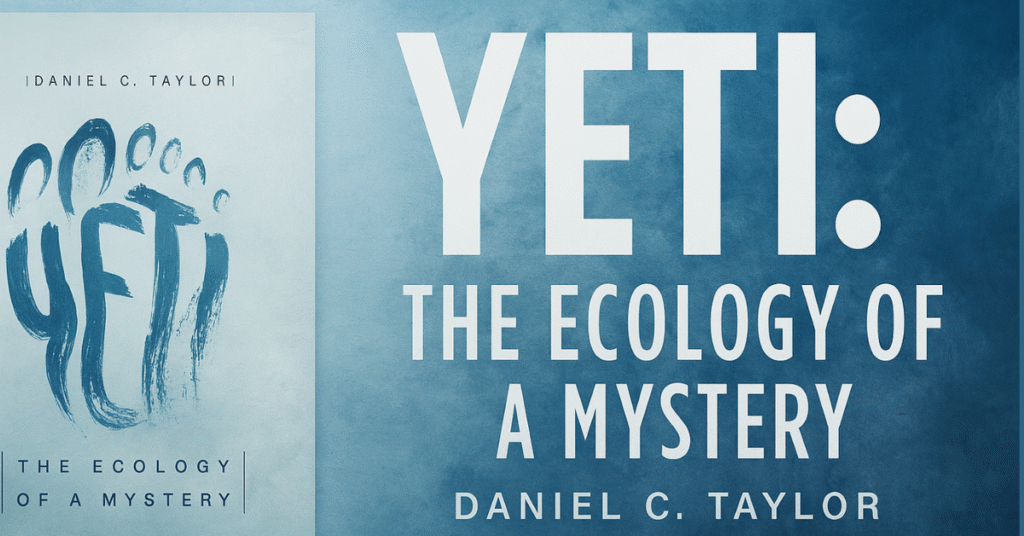
Asia
A deep look into the Himalayan mystery hominin, its ecological niche, long-standing cultural history, and why generations of explorers and researchers report the same creature in the same regions.
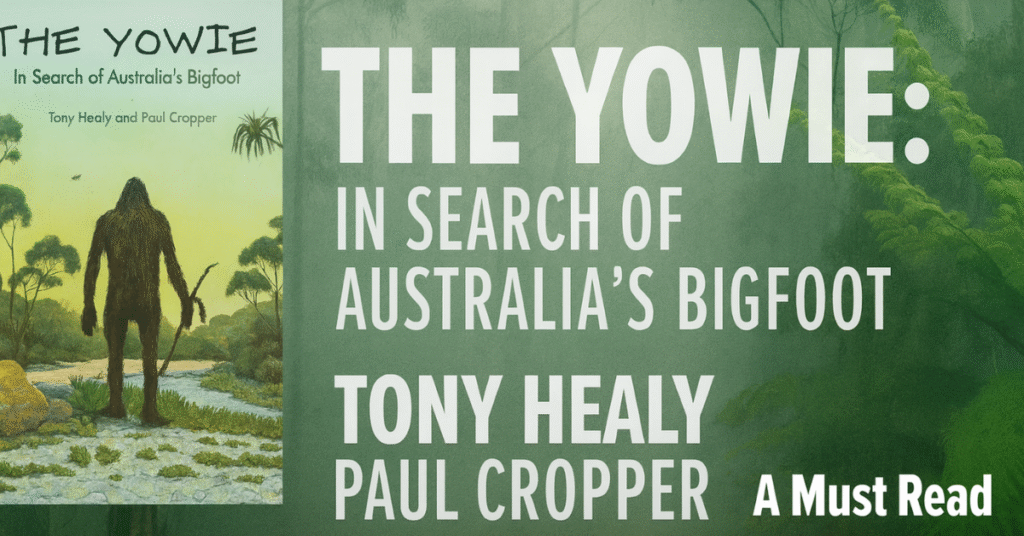
Australia
A thorough investigation of Australia’s ancient wild hominin, backed by historical Aboriginal accounts, modern eyewitness reports, and decades of zoological field research.
People Also Asked
Why does Bigfoot feel familiar?
Because people respond with recognition, not fear.
Why do cultures describe them as people?
Because encounters show intelligence and awareness.
Why are global sightings identical?
Because the same presence has existed across continents for generations.
Why do people describe emotional connection?
Because something about Bigfoot mirrors something ancient in us.
Affiliate Disclosure
As an Amazon Associate, I earn from qualifying purchases. Wildfoot Explores also participates in additional affiliate programs. This means that some links throughout this blog may earn me a small commission at no extra cost to you. These commissions help support the research, time, and resources that go into building Wildfoot and sharing Bigfoot content every week. I only recommend products and books that I genuinely believe add value to my readers.
Featured Book: Hidden Bloodlines of Bigfoot
If you want the deeper dive into the emotional signatures,
instinctive reactions,
and ancient memory behind this theory…
Check out the library

A Winter Thought
Winter reveals everything on the ground
and everything we’ve forgotten.
When people say Bigfoot feels familiar,
that’s not confusion.
That’s instinct talking.
And in Part 10…
we finally face what that instinct has been trying to tell us.