
How To Hunt For Sasquatch, also known as Bigfoot, has been part of human folklore for centuries. Stories of this elusive creature have sparked imaginations globally, but what’s really behind these tales? Well, it turns out, there’s more to these stories than campfire legend. So let’s learn how to hunt for Bigfoot: Tips from the pros.
Historical sightings stretch back hundreds of years, with Native American tribes passing down tales of giant, hairy beings roaming the forests. These early stories are often intertwined with cultural beliefs and offer some fascinating perspectives on what Bigfoot represents.
Modern research is delving into the possibilities of Bigfoot’s existence. Various organizations and enthusiasts have taken on the challenge, conducting field studies and analyzing physical evidence like footprints, hair samples, and controversial footage.
The world of Bigfoot is filled with a mix of believers and skeptics. It’s intriguing how scientific inquiries, including DNA analysis and advanced imaging technologies, are trying to provide answers. While evidence is still inconclusive, these efforts keep curiosity alive.
Myths and misconceptions abound. Some say every unexplained noise or shadow in the woods might be Bigfoot. But experts warn against jumping to conclusions without evidence. Staying open-minded yet critical helps in understanding this mysterious legend.
Essential Gear for Bigfoot Hunting
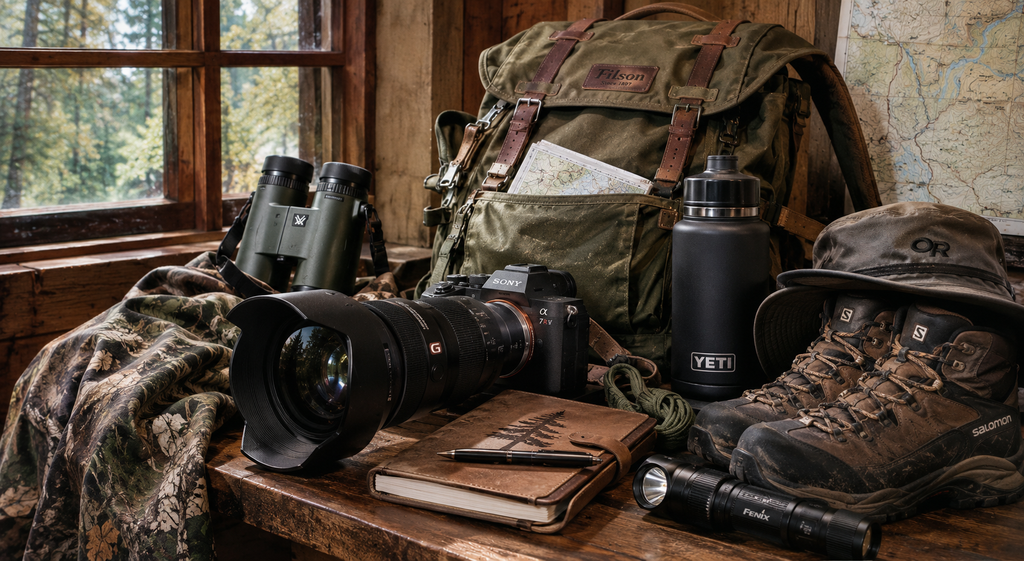
Kicking off your Bigfoot adventure requires the right gear. It’s not just about capturing a mythical creature on video but also about respecting the wild and staying safe.
High on your checklist should be a reliable pair of hiking boots and comfy clothing. You’re not just standing around; it’s all about moving through rugged terrains.
A quality camera and audio recorder could make all the difference. Some enthusiasts swear by night-vision cameras and thermal imaging devices for nocturnal hunts.
Bigfoot Survival Equipment List 101

Don’t forget essential camping gear: tents, sleeping bags, and a sturdy backpack. You’ll probably spend nights under the stars, so being warm and comfortable is crucial.
For navigation and recording evidence, smartphones with GPS apps are super handy. Combine this with field guides on animal tracks, and you’re set to spot nature’s subtle signs.
The wild can be unpredictable, so pack safety gear—first aid kits, bear spray, and plenty of water. Being prepared can turn what could be a tough experience into an enjoyable one.
Finding the Best Locations: Hotspots and Habitats

When it comes to Bigfoot hunting, location is everything. Certain areas are famous for sightings, and knowing where to go could increase your chances of an encounter.
The Pacific Northwest, with its dense forests and vast wilderness, is a favorite among hunters. Regions like Oregon and Washington boast numerous reports, making them popular hunting grounds.
Bigfoot enthusiasts also highlight the Appalachian Mountains, where the rugged terrain and thick woods create an ideal setting for such creatures.
Consider the environmental factors that attract Bigfoot. Areas with abundant food sources like berries, fish, and game could support a large primate. Spotting signs like broken branches or disturbed ground might lead you closer.
Local knowledge is invaluable. Joining forums or reaching out to local researchers can provide insider tips on the best spots to explore. These connections can also offer guidance on the rules and regulations of the land.
It’s also worth noting that respect for natural habitats is paramount. When exploring, stick to the trails and leave no trace to preserve these areas for wildlife and other adventurers.
Techniques from the Pros: Planning and Execution
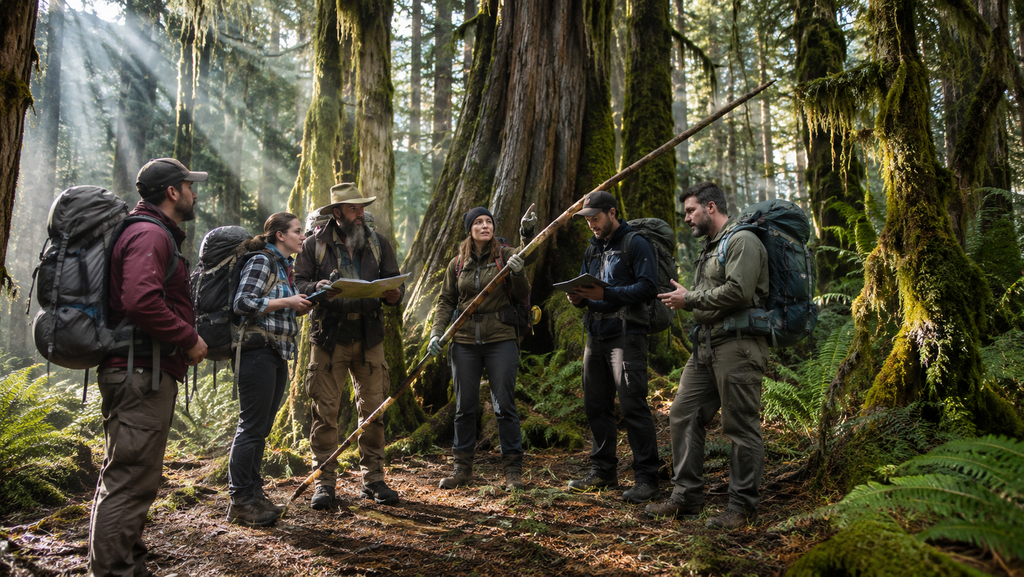
A successful Sasquatch investigation begins long before you enter the forest. Experienced field researchers know that preparation, observation, and accurate documentation are far more valuable than wandering through the woods hoping for an encounter.
1. Study the Area Before Entering
Research historical sightings, logging roads, waterways, wildlife corridors, and terrain features. Use topographic maps and satellite imagery to identify accessible observation points. Never assume that a reported sighting makes an area an active Sasquatch location.
2. Establish a Baseline
Before investigating unusual sounds or movements, spend time learning what is normal for the area. Listen to local birds, coyotes, elk, shifting trees, and other wildlife. Understanding ordinary forest activity makes unusual observations easier to evaluate.
3. Use Stationary Listening Sessions
Rather than constantly hiking, select a safe observation point and remain quiet for 20 to 30 minutes. Record the time, weather, wind direction, and surrounding sounds. Repeated sessions at the same location can help identify patterns in ordinary wildlife activity.
4. Document Tracks Before Touching Anything
When discovering an unusual footprint, photograph it from multiple angles with a ruler or measuring scale beside it. Record its length, width, stride distance, substrate, and location. Photograph the surrounding trackway before approaching closely enough to disturb it.
5. Record Audio Continuously
Use a digital recorder during observation sessions. Note the exact time of unusual vocalizations, knocks, or movements so they can be located later. Compare recordings with known wildlife calls and environmental sounds before drawing conclusions.
6. Be Careful With Tree Knocks and Calls
Some Sasquatch researchers experiment with wood knocks and vocalizations, but there is no scientific evidence that these methods attract Sasquatch. If you use them, document the timing and number of calls, avoid disturbing wildlife, and remember that a responding sound does not establish its source.
7. Use Technology With a Purpose
Trail cameras can monitor wildlife activity, thermal cameras detect temperature differences, and GPS devices help document locations. However, thermal imaging cannot identify an unknown species on its own. Always preserve original recordings and document equipment settings.
8. Keep a Detailed Field Journal
Record what happened, where it happened, and what conditions were present. Separate direct observations from personal interpretations. Even an investigation with no unusual activity provides useful information when properly documented.
9. Never Investigate Alone Without a Safety Plan
Travel with a partner whenever possible, establish check-in times, carry emergency supplies, and leave your intended route with someone you trust. Follow local access restrictions and obtain permission before entering private or Indigenous-managed lands.
10. Investigate the Ordinary Before Claiming the Extraordinary
Experienced investigators should actively look for alternative explanations. A strange call might be an unfamiliar animal, an unusual track could result from overlapping footprints, and a thermal shape may be ordinary wildlife. Strong research means being willing to challenge your own conclusions.
The Most Important Field Lesson
Sasquatch research isn’t about how many hours you spend in the forest or how expensive your equipment is. It’s about how carefully you observe, how accurately you document, and how honestly you evaluate what you discover.
The goal isn’t to make every experience fit the mystery. It’s to follow the evidence wherever it leads.
More Related Blogs!!

How To Conduct Your Bigfoot Investigation
Bigfoot has captured imaginations across the globe, with everyone wondering How To Conduct Your Bigfoot Investigation.

Ghost Hunters And Bigfoot: Paranormal Adventures
Wow, the world of the Ghost Hunters And Bigfoot: Paranormal Adventures! It’s a thrilling and mystifying realm that’s captured human curiosity for eons.

Learn how to build a Budget-friendly Bigfoot Gear
Thanks for stopping by my blog! you must be interested in learning how to build Budget-friendly Sasquatch Gear, So Hunting Sasquatch isn’t just about curiosity;

Wildfoot Disclosure and Invitation
As an Amazon Associate I earn from qualifying purchases.
Some links in the Wildfoot Book Library are Amazon affiliate links, which may earn me a small commission at no extra cost to you.
The library includes the books I’ve written and other resources tied to Bigfoot, survival, hidden truths, and the paranormal. Everything here is meant to support your curiosity and exploration.
I only share products and books I personally believe in or created myself. You’ll also find items connected to my other platforms, including Paranormal Curiosities Realm.
Thanks for supporting independent research and storytelling.
Shawn Thomas
Amazon Author & Creator
Founder of Wildfoot Explores and Wildfoot Explores Apparel shop
Such a fun read! I love how this article dives into Bigfoot hunting with real tips from the pros. The advice on tracking signs and picking the right equipment is super helpful for anyone curious about getting started. Makes me want to grab my gear and head out on my own adventure! Thanks for the awesome insights!
Hi Randi,
Thank you for the awesome comment , I hope you do get out on your next adventure!
Be safe and have fun