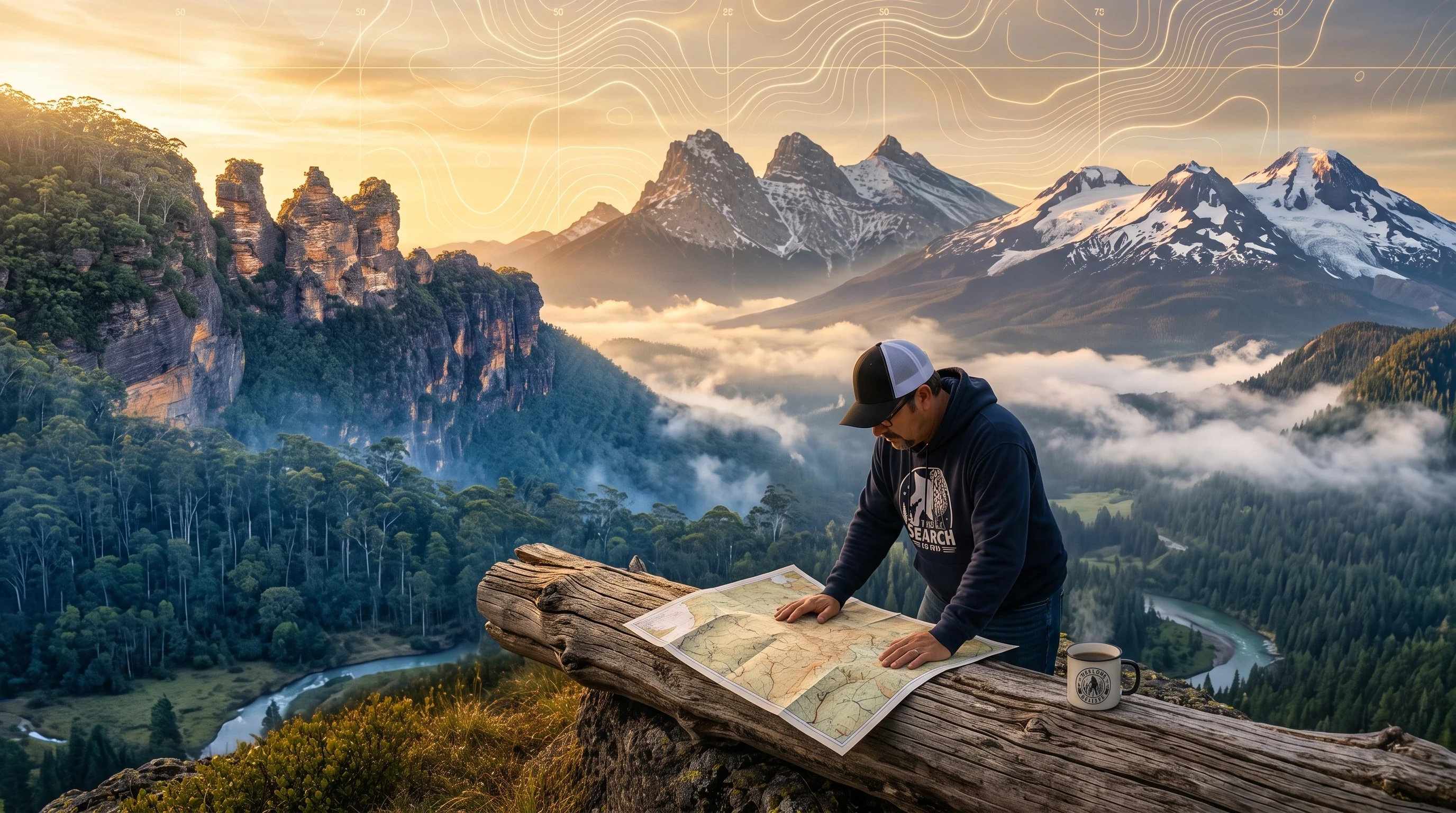
Three Mountain Ranges. Three Continents. One Mystery That Kept Pulling Me Back.
One of the biggest lessons I’ve learned after nearly forty years of researching Sasquatch is that sometimes the best discoveries don’t come from finding new evidence. Sometimes they come from looking at old evidence in a completely different way.
For years, I did what most researchers do. I studied footprints, eyewitness reports, photographs, vocalizations, tree structures, and every piece of evidence I could find. Those things are still incredibly important, but over the last few years my focus has slowly changed. Instead of asking, “What is Sasquatch?“
I started asking a different question:
Why do certain places seem to attract the same stories over and over again?
That simple question completely changed how I research.
Now, one of the first things I do after reading an encounter report is open a map. I want to know where it happened. I want to see the rivers, mountain ranges, valleys, wildlife corridors, caves, and forests surrounding the location. The more I looked at the landscape, the more I began noticing patterns that individual sightings couldn’t show me.
Eventually, one specific name kept appearing: The Three Sisters.
At first, I thought I had stumbled onto something enormous. Canada has a famous Three Sisters. Oregon has one. Australia has another. Surely the name itself had to mean something. But after digging through old records, Indigenous history, geological studies, and historical documents, I realized something surprising.
It doesn’t.
Most of these mountain ranges were named entirely independently of one another. Some received their names from Indigenous traditions, others from European explorers or surveyors, and many were simply named because three prominent peaks stood side by side. The trail I thought I was following suddenly ended.
Oddly enough, that’s what made the research even more interesting. Because while the names may simply be coincidence, the stories surrounding these mountains are anything but ordinary.
There Are More Three Sisters Than You Think
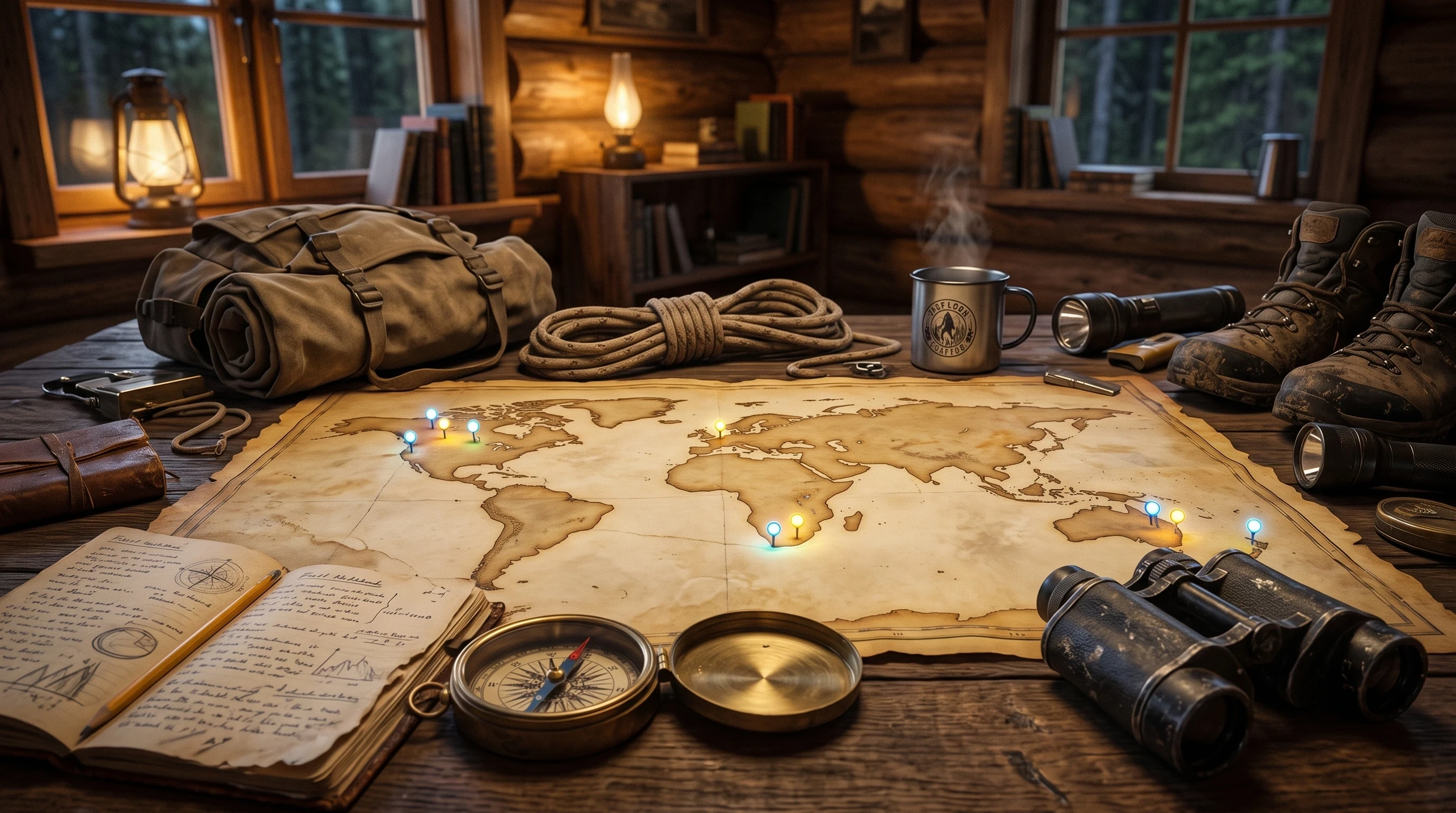
The Three Sisters aren’t unique to one country. Variations of the name appear across North America, Australia, New Zealand, South Africa, and other parts of the world. In almost every case, the name describes three prominent peaks or rock formations standing together.
That was an important lesson for me. Good research isn’t about forcing every coincidence into a grand theory; sometimes a coincidence is exactly that. But research also teaches you when to stop chasing one question and start asking another. Once I stopped focusing on the names, I began looking at what surrounded these mountains instead.
That’s where things became fascinating. Nearly every famous Three Sisters formation sits inside spectacular wilderness. They’re landmarks that have guided people for generations, holding deep meaning within Indigenous cultures. Crucially, many are surrounded by stories of unusual encounters, giants, wildmen, or spiritual traditions that stretch back hundreds, and sometimes thousands, of years.
The names weren’t the pattern. The landscapes were.
Alberta’s Three Sisters: More Than a Beautiful Skyline
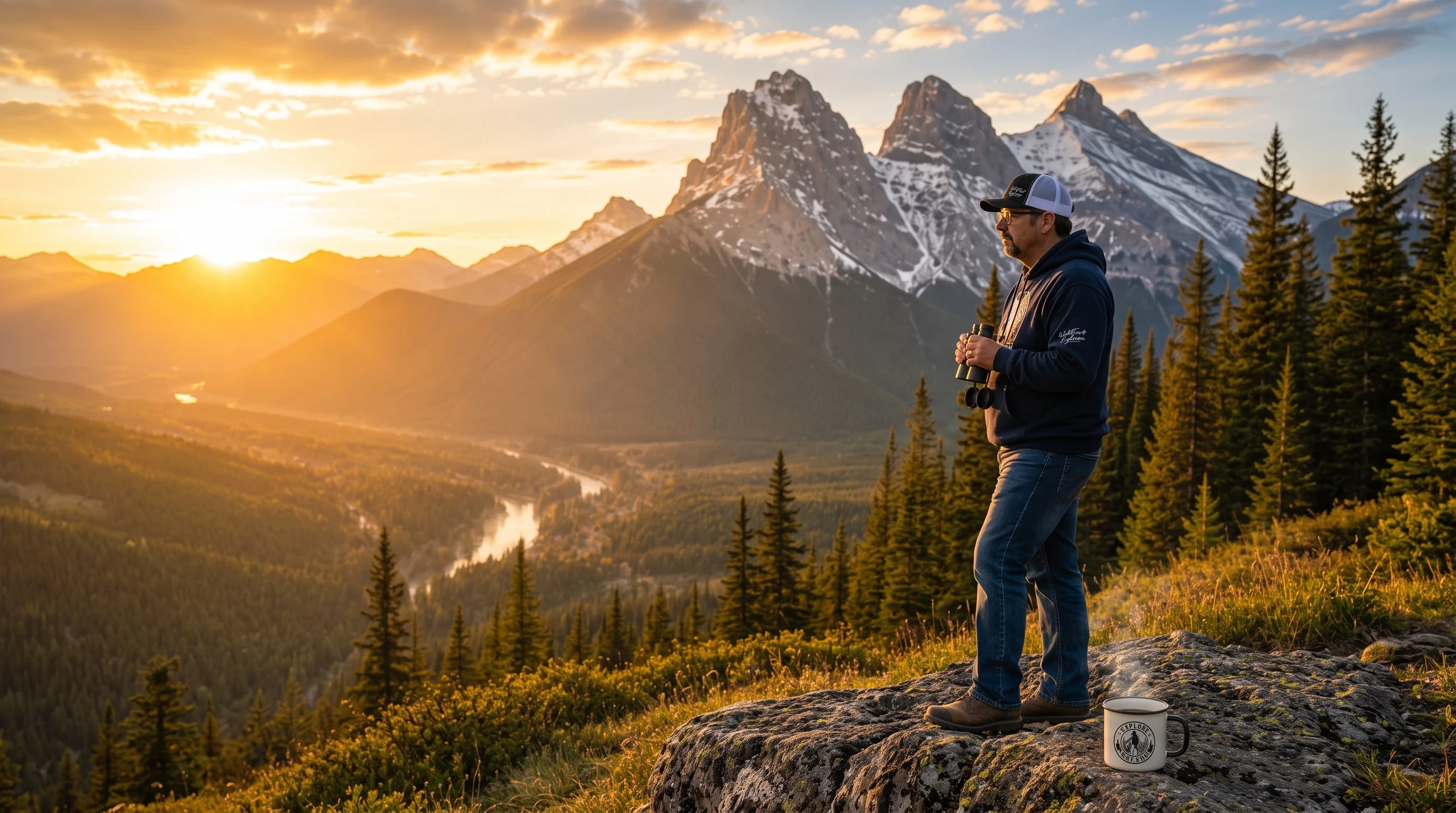
Anyone who has driven through Canmore knows the Three Sisters immediately command your attention. Rising above the Bow Valley, they are among the most photographed mountains in Canada, but their story began long before cameras ever existed. These limestone giants were formed hundreds of millions of years ago beneath an ancient inland sea before being pushed skyward during the creation of the Canadian Rockies. Today they overlook one of the most spectacular mountain corridors in North America.
Long before settlers arrived, the surrounding valleys were home to Indigenous peoples who viewed these mountains as part of a living landscape rather than simply scenery. Every valley, pass, and mountain carried meaning. They were places of travel, ceremony, hunting, survival, and storytelling. That perspective is something I think many of us have forgotten. Today we often see mountains as tourist destinations; Indigenous communities saw relationships.
As I compared Sasquatch reports throughout Alberta and British Columbia, another pattern appeared. Reports often seemed to follow mountain systems rather than isolated locations. The Bow Valley connects Banff, Kananaskis, the Ghost River region, Yoho, and countless remote drainage stretching deep into the Rockies. If an unknown species wanted to travel through western Canada while avoiding people, this landscape would make perfect sense.
Over the decades, hikers, hunters, outfitters, and back-country workers have reported large footprints, unexplained whistles, wood knocks, massive dark figures crossing avalanche slopes, and the overwhelming feeling of being watched. None of these reports prove Sasquatch exists, but together they paint a picture of a landscape that continues to inspire mystery generation after generation. That’s what keeps bringing me back.
Oregon’s Three Sisters: Fire, Forests, and Old Stories
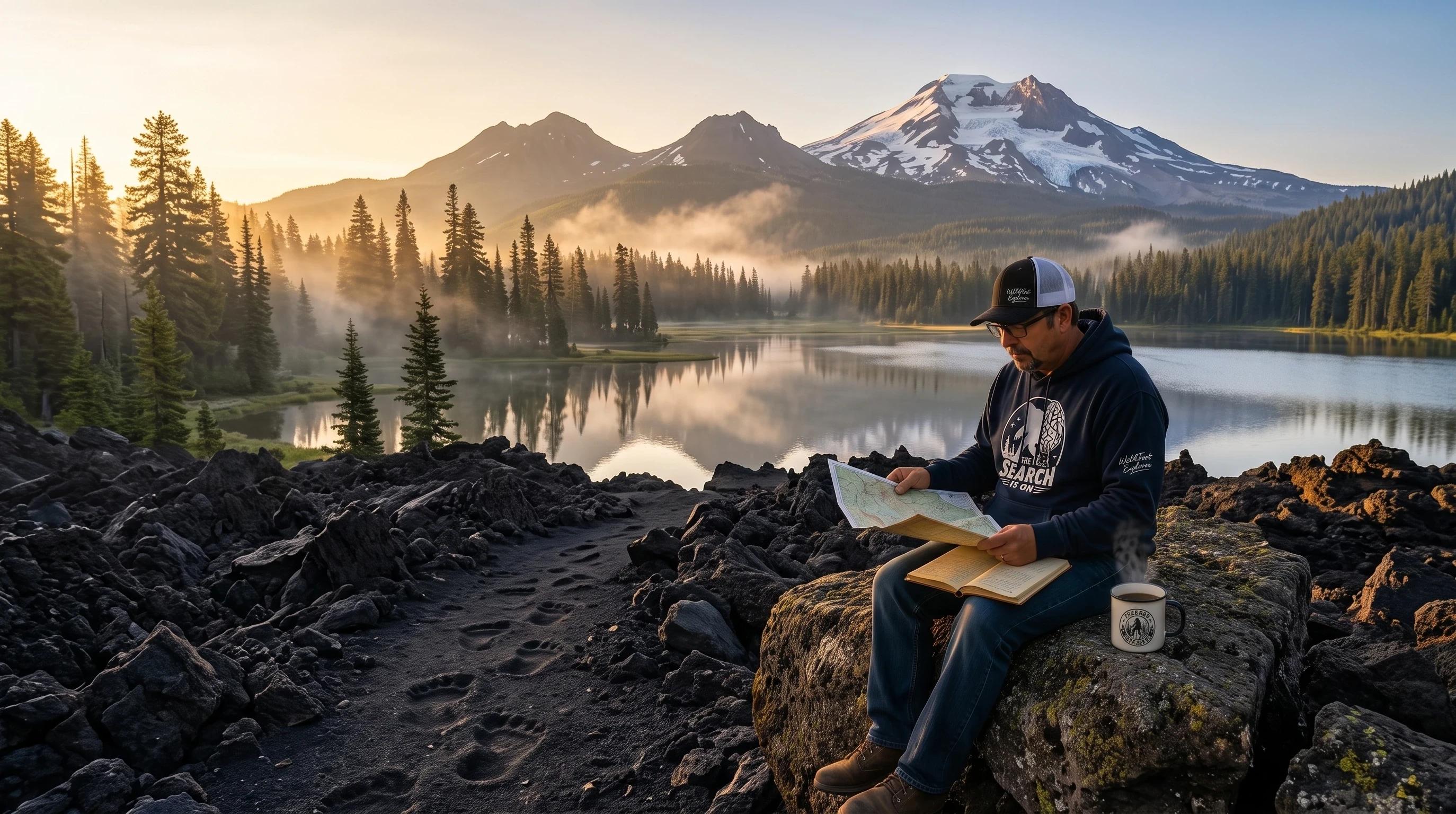
Oregon’s Three Sisters couldn’t be more different geologically. Instead of limestone, these are volcanoes rising from the Cascade Range,a landscape shaped by fire, lava, and some of the most dramatic volcanic activity in North America.
The terrain surrounding these mountains is incredibly rugged. Dense forests, ancient lava fields, steep ridges, alpine lakes, and broken volcanic rock create an environment where a person can disappear from sight within minutes. Long before modern geology explained these volcanoes, Indigenous peoples already understood these mountains were extraordinary places. Different Nations preserve traditions describing powerful beings whose actions shaped the land itself. Whether viewed as history, spiritual teaching, or cultural memory, those stories deserve respect.
Modern Sasquatch reports continue to emerge from this same wilderness. Hunters have reported enormous footprints crossing lava fields, backpackers describe hearing wood knocks echo through remote valleys, and forestry workers have spoken about heavy footsteps moving through dense timber where no other people were present. One historical report from the late 1960s describes a hunter observing an enormous dark figure standing near a ponderosa pine before it quietly disappeared into the volcanic landscape.
Could witnesses be mistaken? Of course, skepticism is part of the process. But what interests me isn’t a single report. It’s decades of remarkably similar reports coming from the same mountain system. When you look at the sheer consistency of these accounts across generations, it points directly to a living reality. That’s the difference between chasing a single story and studying a pattern.
Australia’s Three Sisters: The Pattern Crosses an Ocean
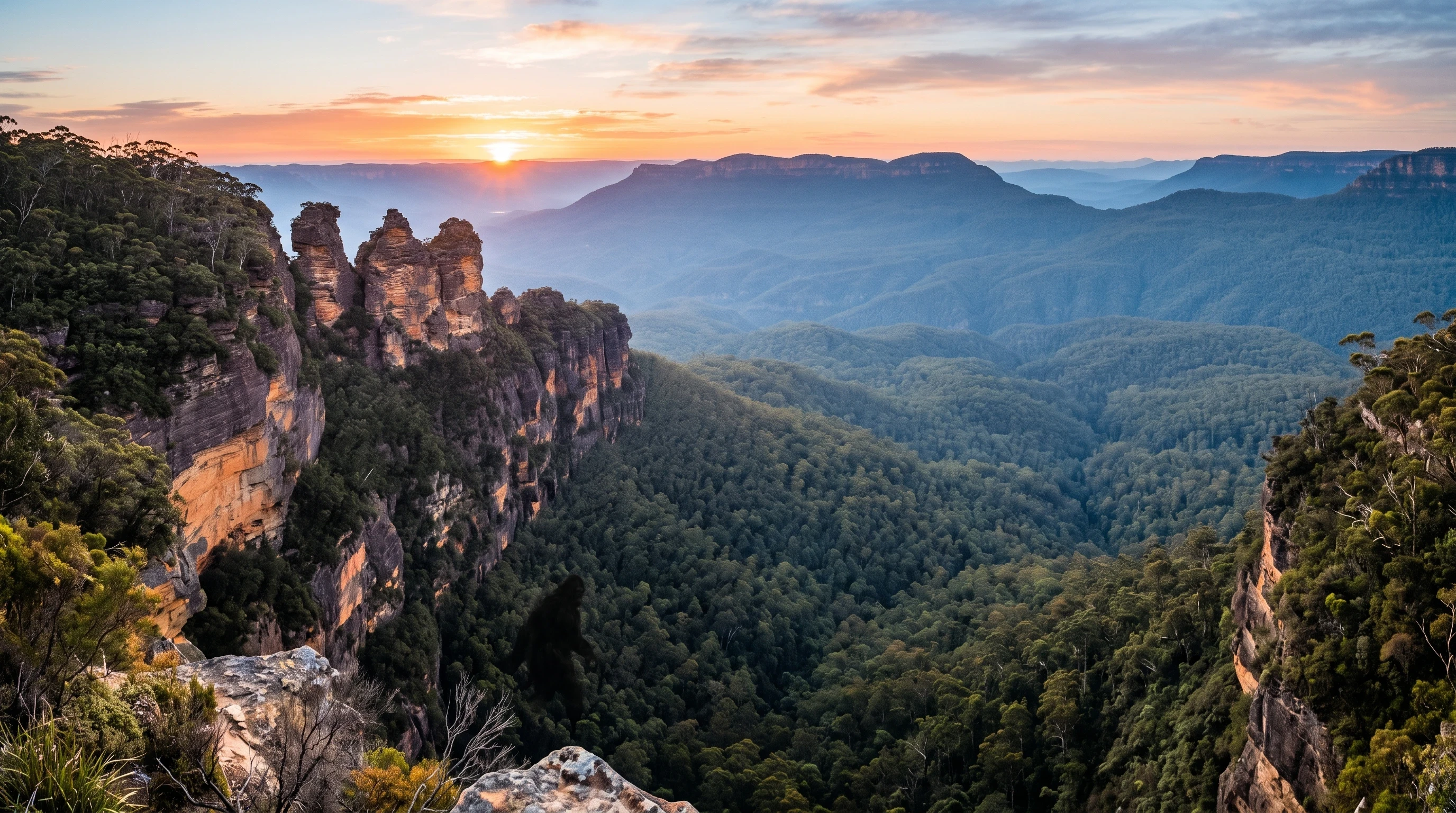
Halfway around the world, Australia’s Three Sisters overlook the breathtaking Jamison Valley in the Blue Mountains. Unlike Alberta or Oregon, these formations are ancient sandstone pillars carved by millions of years of erosion. Yet despite their completely different geology, they share something remarkable with the other mountain ranges: stories.
According to Gundungurra tradition, the Three Sisters represent three young women transformed into stone. Like many Indigenous traditions around the world, the story connects the landscape to people, memory, and meaning.
The Blue Mountains are also one of Australia’s best-known regions for Yowie reports. Descriptions of the Yowie often sound surprisingly familiar to anyone who studies Sasquatch, with witnesses describing large hairy bipeds, powerful screams, heavy footsteps, and brief encounters deep within the bush.
What makes this pattern truly fascinating is the terrain itself. While the Rockies thrust skyward, the Blue Mountains are a deceptively brutal labyrinth that drops down into immense, dizzying sandstone gorges, sheer cliff faces, and vast, nearly impenetrable temperate eucalypt forests. It is an environment where the wilderness completely swallows the modern world.
Does that mean Sasquatch and the Yowie are the same? I honestly don’t know. But I do find it incredible that cultures separated by oceans continue telling stories about remarkably similar wild beings living within such rugged, untamable mountain systems. Again, I’m not offering proof. I’m pointing out a pattern that’s difficult to ignore.
What All Three Mountains Have in Common
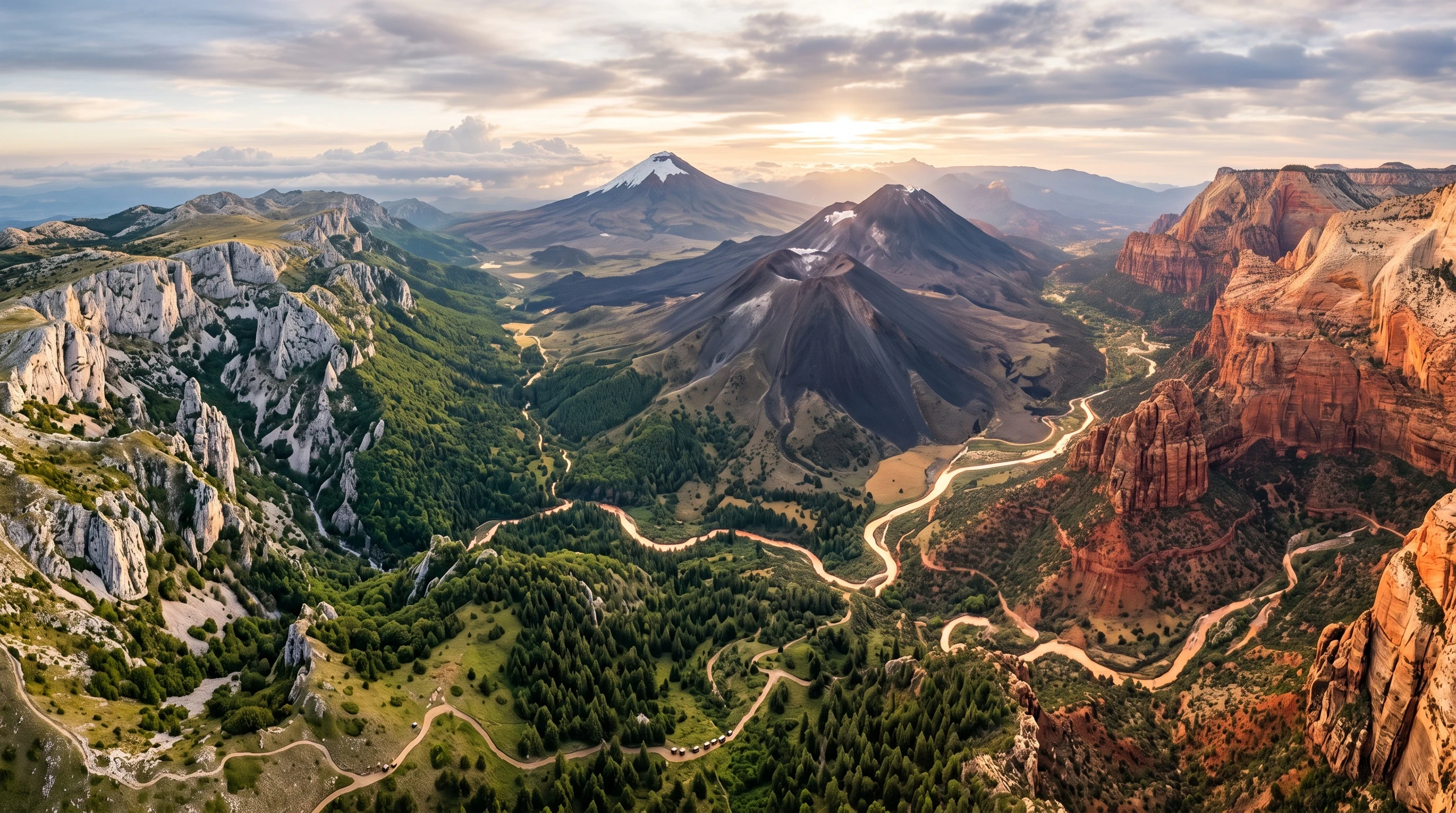
This is where my research changed direction. I stopped comparing names and started comparing landscapes.
Each mountain range was formed differently. Each belongs to different cultures. Each has different wildlife, and each sits on a different continent. Yet they all share several remarkable characteristics:
- They are prominent landmarks that have guided people for generations.
- They hold deep cultural and spiritual importance.
- They are surrounded by vast wilderness where humans remain visitors rather than rulers.
- They preserve stories about unusual beings, giants, or wildmen that have survived through countless generations.
Most importantly, they continue producing modern encounter reports.
That doesn’t prove every story is true, nor does it prove Sasquatch exists. But it does suggest these specific places deserve a much closer look.
Sometimes Research Doesn’t Give You the Answer You Expected
One thing I’ve learned over the years is that research isn’t about proving yourself right. It’s about following the evidence, even when it takes you somewhere completely different.
I began this project convinced the name “Three Sisters” would unlock some hidden connection. It didn’t. Instead, I discovered something I find much more interesting. The names may be coincidence, but the landscapes might not be.
Mountains naturally create travel corridors. Wildlife follows them, rivers carve through them, and Indigenous trade routes crossed them long before highways ever existed. Even today, many of North America’s largest wilderness areas remain connected by mountain systems that stretch for hundreds of kilometers. If there truly is an undiscovered species living within these remote regions, mountain systems are exactly where I’d expect to find recurring patterns.
That idea doesn’t prove anything. But it gives us better questions to ask and good questions are often more valuable than easy answers.
One Final Question I Couldn’t Ignore
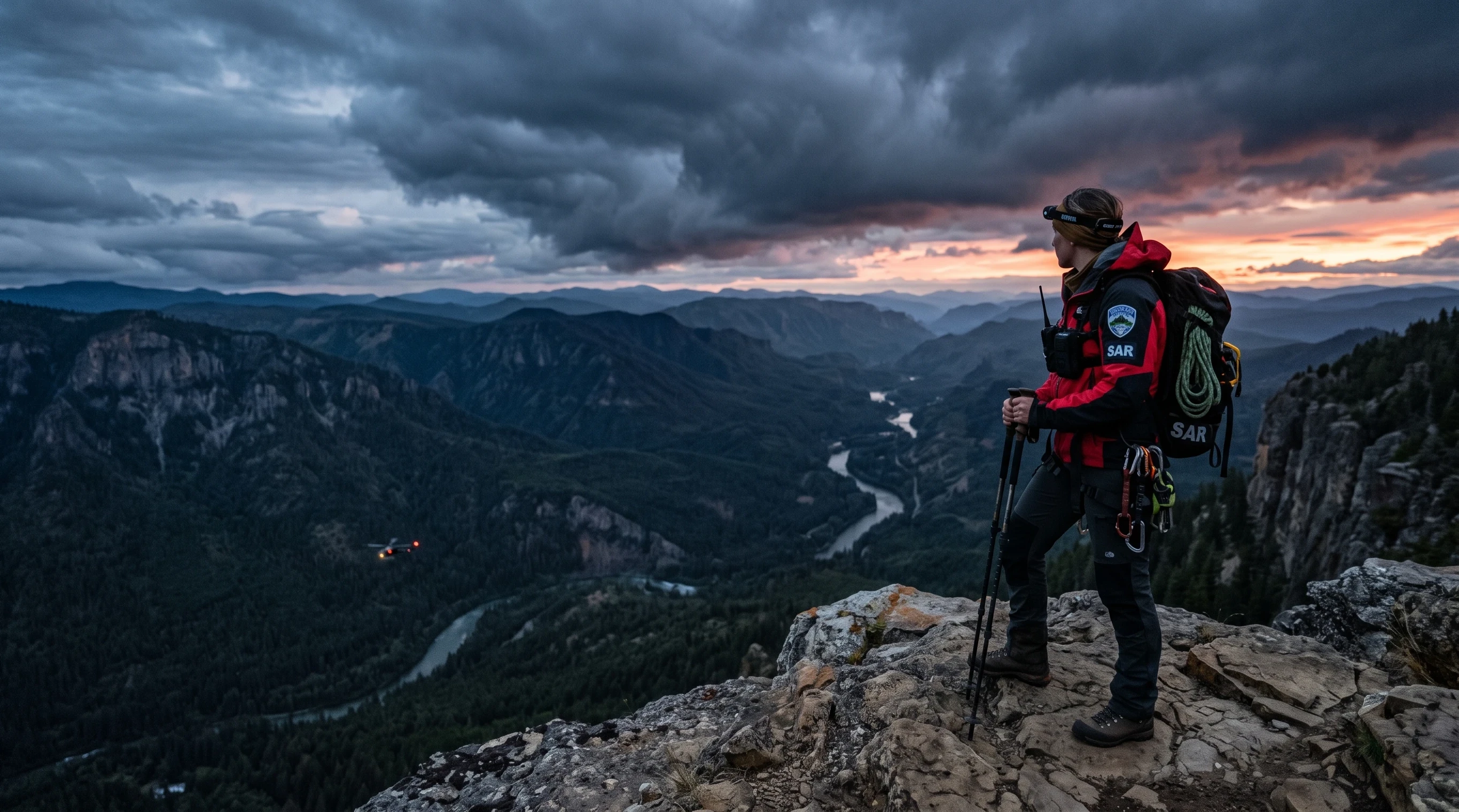
As I wrapped up this research, one more question kept coming back to me: If these mountain ranges have inspired so many legends, stories of giants and wildmen, and generations of eyewitness reports, do they also have a history of missing people?
The answer is a resounding yes.
The Bow Valley surrounding Alberta’s Three Sisters, Oregon’s Three Sisters Wilderness, and Australia’s Blue Mountains have all experienced an alarming history of missing hikers, climbers, campers, and backcountry travelers over the years. Search and rescue teams have spent countless hours combing through these rugged landscapes. Thankfully, many people have been found, but a disturbing number of disappearances remain entirely unsolved.
Now, a lot of researchers will stop there and blame the terrain. These mountains are vast wilderness areas filled with steep cliffs, dense forests, hidden valleys, and unpredictable weather that can easily humble an experienced outdoor adventurer. Nature alone provides plenty of excuses.
But I don’t buy that nature is the only explanation here.
When you overlay the exact locations of these mysterious disappearances directly onto known wildlife corridors, historical Indigenous legends, and modern, boots-on-the-ground encounter reports, a chillingly clear pattern emerges. The data doesn’t just suggest a coincidence; to me, it strongly supports the reality of an intelligent, elusive apex creature operating entirely within the blind spots of these massive mountain systems.
These places aren’t just wild. They are occupied. And when a highly intelligent, physical entity shares a rugged landscape with unsuspecting travelers, a pattern of unexplained disappearances is exactly what you would expect to see.
The Next Phase of the Map
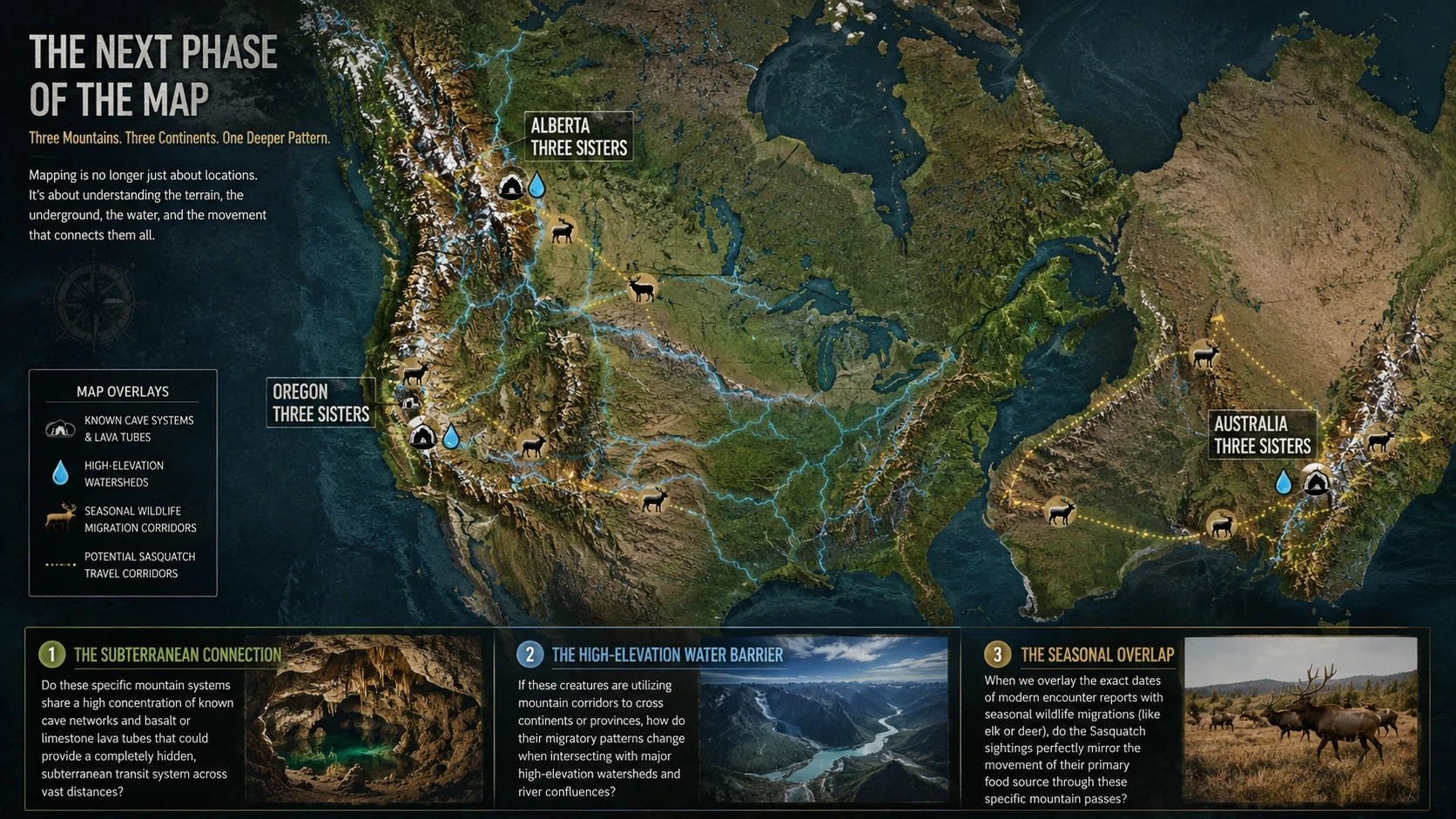
As I expand this geographic research, the pattern is forcing me to look deeper into the terrain. Here are the three massive questions I am chasing next:
- The Subterranean Connection: Do these specific mountain systems share a high concentration of known cave networks and basalt or limestone lava tubes that could provide a completely hidden, subterranean transit system across vast distances?
- The High-Elevation Water Barrier: If these creatures are utilizing mountain corridors to cross continents or provinces, how do their migratory patterns change when intersecting with major high-elevation watersheds and river confluences?
- The Seasonal Overlap: When we overlay the exact dates of modern encounter reports with seasonal wildlife migrations (like elk or deer), do the Sasquatch sightings perfectly mirror the movement of their primary food source through these specific mountain passes?
Why I Keep Coming Back to the Mountains
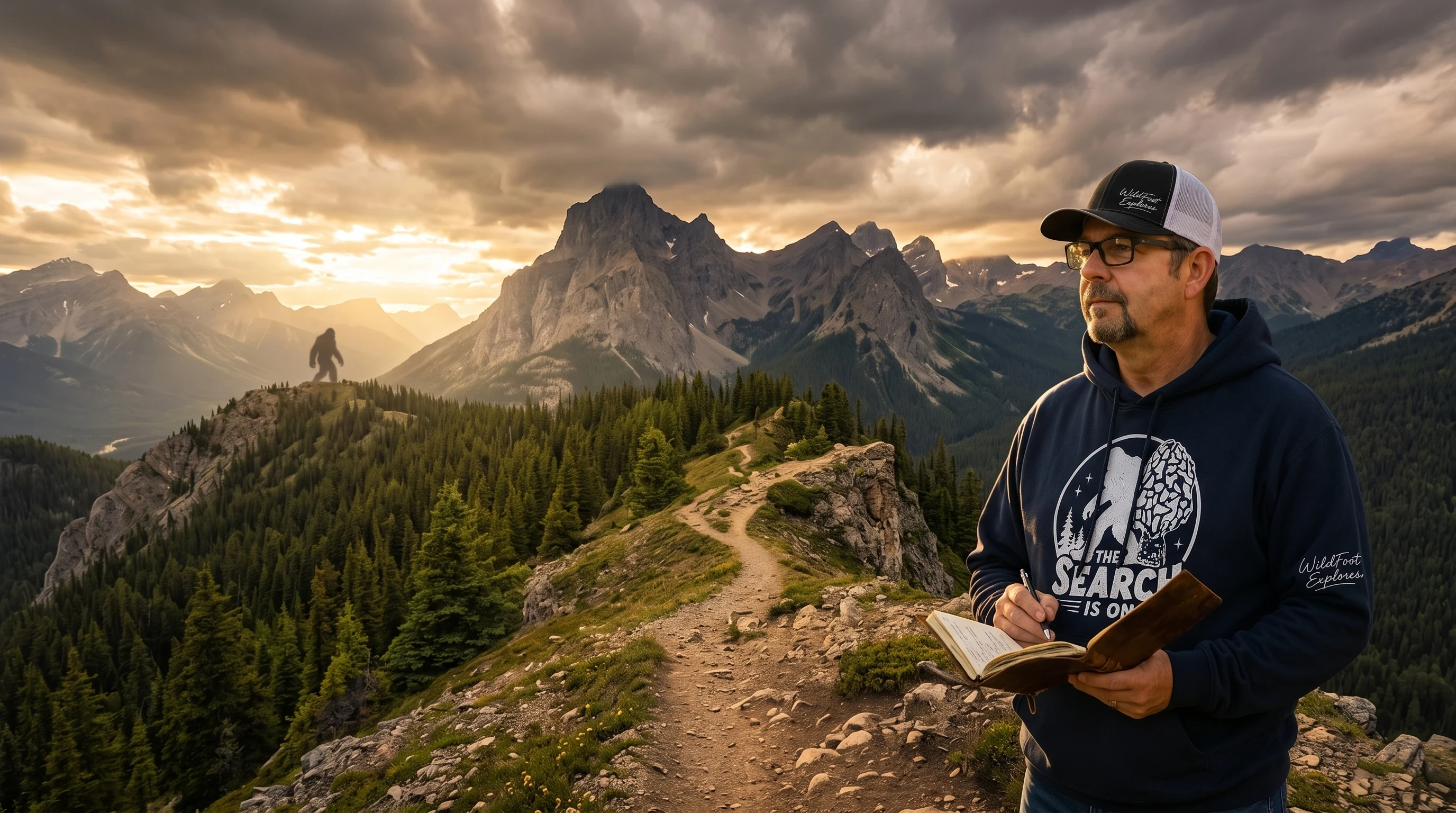
People sometimes ask why I’m so fascinated by mountain ranges. The answer is simple: Mountains remember.
Generations pass through them. Cultures build stories around them. Wildlife depends on them. Explorers are drawn to them. And somehow, they continue collecting mysteries that refuse to disappear.
Whether those mysteries involve Sasquatch, ancient traditions, giants, or simply humanity’s relationship with wilderness, I don’t think we’ve spent enough time studying the landscape itself. Maybe we’ve been looking too closely at individual footprints while missing the map beneath them.
That’s the direction Wildfoot Explores is taking. Not because I think I’ve solved the mystery, far from it. The deeper I go, the more I realize how much we still don’t know. But that’s exactly what makes this journey worthwhile.
At the end of the day, I don’t believe the Three Sisters gave me answers. They gave me better questions. And sometimes, that’s where the greatest discoveries begin.
The search is on.
Common Questions from the Trail
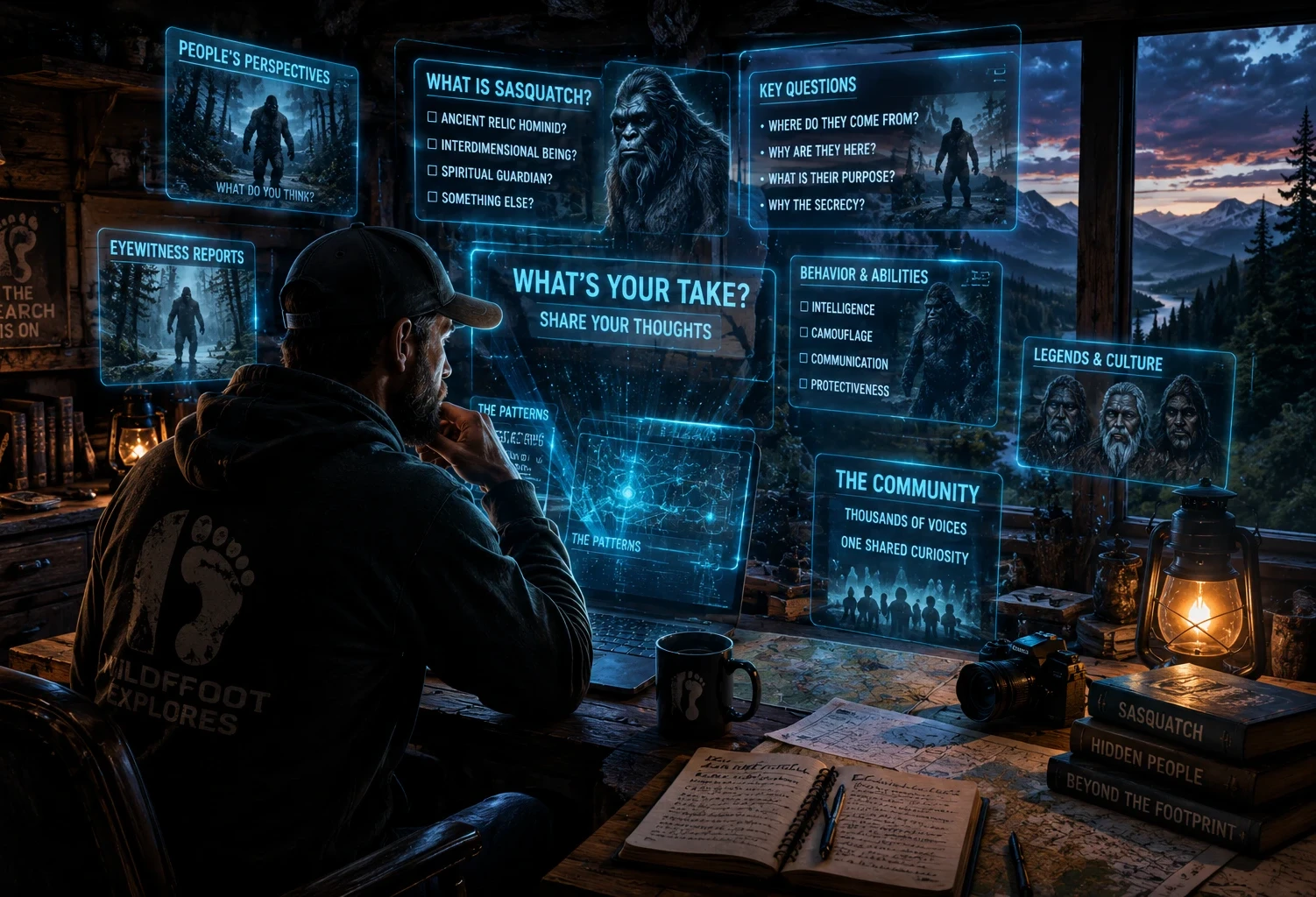
Why do Sasquatch and Yowie reports share so many similarities?
Separated by thousands of miles of ocean, these accounts remain eerily consistent. We’re talking about massive, hair-covered bipeds that share the same toolkit: high-level evasion, terrifying vocalizations, and immense strength. From a pattern-analysis standpoint, this isn’t a coincidence. It’s evidence of a species with a universal, highly efficient survival strategy. Whether it’s the Rockies or the Blue Mountains, these beings have mastered the art of staying invisible in the world’s most rugged, unforgiving terrain.
Is there a connection between missing persons and Sasquatch?
I’ve looked at the data, and the overlap is impossible to ignore. Many disappearances in places like the Cascade Range or the Canadian Rockies align perfectly with major wildlife corridors. While search and rescue teams are often forced to blame the “harsh terrain,” that doesn’t account for the precision of these vanishings. To me, this suggests that travelers are inadvertently walking into territory occupied by an apex entity. These creatures operate in our blind spots, and unfortunately, that puts anyone deep in the backcountry at risk.
What are the best geographic features for tracking?
Stop looking for isolated sightings. Start looking at the map as a whole. You want to focus on massive, continuous mountain systems that serve as natural highways. Look for high-elevation watersheds and river confluences, especially where they intersect with complex cave systems or lava tubes. These aren’t just scenic landmarks; they are infrastructure for a species that needs to move hundreds of kilometers without ever crossing a human road or parking lot.
Wildfoot Disclosure and Invitation
As an Amazon Associate I earn from qualifying purchases.
Some links in the Wildfoot Book Library are Amazon affiliate links, which may earn me a small commission at no extra cost to you.
The library includes the books I’ve written and other resources tied to Bigfoot, survival, hidden truths, and the paranormal. Everything here is meant to support your curiosity and exploration.
I only share products and books I personally believe in or created myself. You’ll also find items connected to my other platforms, including Paranormal Curiosities Realm.
Thanks for supporting independent research and storytelling.
Shawn Thomas
Amazon Author & Creator
Founder of Wildfoot Explores and Wildfoot Explores Apparel shop

I really liked your point about how the names might be coincidence but the landscapes themselves hold the real pattern, especially when you look at how these mountains act as natural travel corridors.
Living so close to New Zealand’s own Three Sisters, I’ve always felt that same pull from the rugged terrain, but I’ve never quite figured out how to separate the local folklore from actual geographic hotspots.
When you’re mapping out these areas, do you usually look for specific features like cave networks or river confluences first, or do you start by overlaying historical encounter reports?
Ropata.
Thanks so much, Ropata. I really appreciate that, especially coming from someone who lives so close to New Zealand’s Three Sisters.
That’s exactly where my thinking has been heading. I try not to start with the folklore because it’s easy to let a story influence what you’re looking for. I usually begin by plotting historical encounter reports, then I compare them with the geography. That’s when I start looking at mountain corridors, river systems, cave networks, saddles, and other natural travel routes to see if any patterns emerge.
The legends come afterward. If they happen to overlap with the geography, that’s where things get really interesting. I’m not trying to prove anything. I’m just following the patterns to see where they lead.
Really appreciate you taking the time to read the blog and leave such a thoughtful comment!
Shawn, this “mountains remember” angle is such a compelling pivot from classic footprint-chasing to real landscape forensics. Zooming out to corridors, watersheds, and cave systems feels a lot more like how a field biologist would think about an undiscovered species, which gives your theory extra teeth without needing to shout “proof.”
I am curious how you’re planning to handle the missing persons overlay going forward, though. Do you see a way to dig deeper into that pattern while keeping space for more mundane explanations like terrain and weather, so the narrative doesn’t lean too hard into a single cause? And as you keep expanding this map work, are there any non Three Sisters regions that are lighting up with the same combination of legends, corridors, and disappearances?
Aly, I really appreciate this thoughtful comment. That’s exactly the direction I’m trying to take looking at the landscape first and then asking why certain places keep showing up generation after generation. Whether someone believes in Sasquatch or not, those recurring patterns are worth studying.
As for the missing persons overlay, my goal is to stay grounded. Rugged terrain, weather, wildlife, accidents, and human factors have to be considered first. If a location still stands out after accounting for those, then it’s worth asking what else might be contributing. The map should follow the evidence, not the other way around.
And yes, there are definitely other regions beginning to light up with the same mix of Indigenous traditions, historic Wild Man stories, modern encounter reports, and difficult mountain corridors. The Rockies have become one of the biggest areas I’m focusing on, but they’re certainly not the only one.
Great question, and thanks for adding to the conversation.