(Even with Trail Cams and Drones)
Wildfoot Hypothesis Series Part 7

Every time Bigfoot comes up, someone asks the same thing: “Where’s the footage? Why don’t trail cameras catch it? Why don’t drones see it from above?”
Fair questions. But they’re built on one assumption: that our technology performs perfectly in the wild. It doesn’t.
Trail cams miss constantly. Drones fail in almost every condition Bigfoot prefers. Thermal imaging collapses under forest canopy. Batteries die in cold. Sensors struggle in cluttered terrain.
And Bigfoot isn’t a predictable animal. It avoids the exact environments where technology works best. Let’s break down the real, electronic, physical, and environmental limitations.
Most Trail Cameras Are Pointed in the Wrong Places
Most Trail Cameras Are Pointed in the Wrong Places
People imagine trail cams blanketing the forest. But 99 percent are placed where deer travel:
- Game trails
- Feeders
- Water sources
- Scrapes and rub lines
- Clearings and open paths
These are spots where humans expect animals to be. Bigfoot avoids all of them. It moves in:
- Shadow lines
- Thick deadfall
- Side hill cuts
- Alder tangles
- Ridge-back corridors
- Terrain no hunter enters
Trail cams catch predictable wildlife. Bigfoot is not predictable wildlife.

Affiliate Disclosure
As an Amazon Associate, I earn from qualifying purchases. Wildfoot Explores also participates in additional affiliate programs. This means that some links throughout this blog may earn me a small commission at no extra cost to you. These commissions help support the research, time, and resources that go into building Wildfoot and sharing Bigfoot content every week. I only recommend products and books that I genuinely believe add value to my readers.
Trail Cams Only See 20–40 Feet
Here’s a technical truth almost nobody realizes: Most trail cameras detect motion at 20–40 feet. Dense forest cuts that in half.
Even a $500 high-end camera can’t see past:
- heavy brush
- rain
- snow
- fog
- terrain dips
By the time Bigfoot enters a camera’s detection zone, it has already seen, heard, or sensed the camera first. Bigfoot only has to shift its path by 15–30 feet and the camera records nothing.
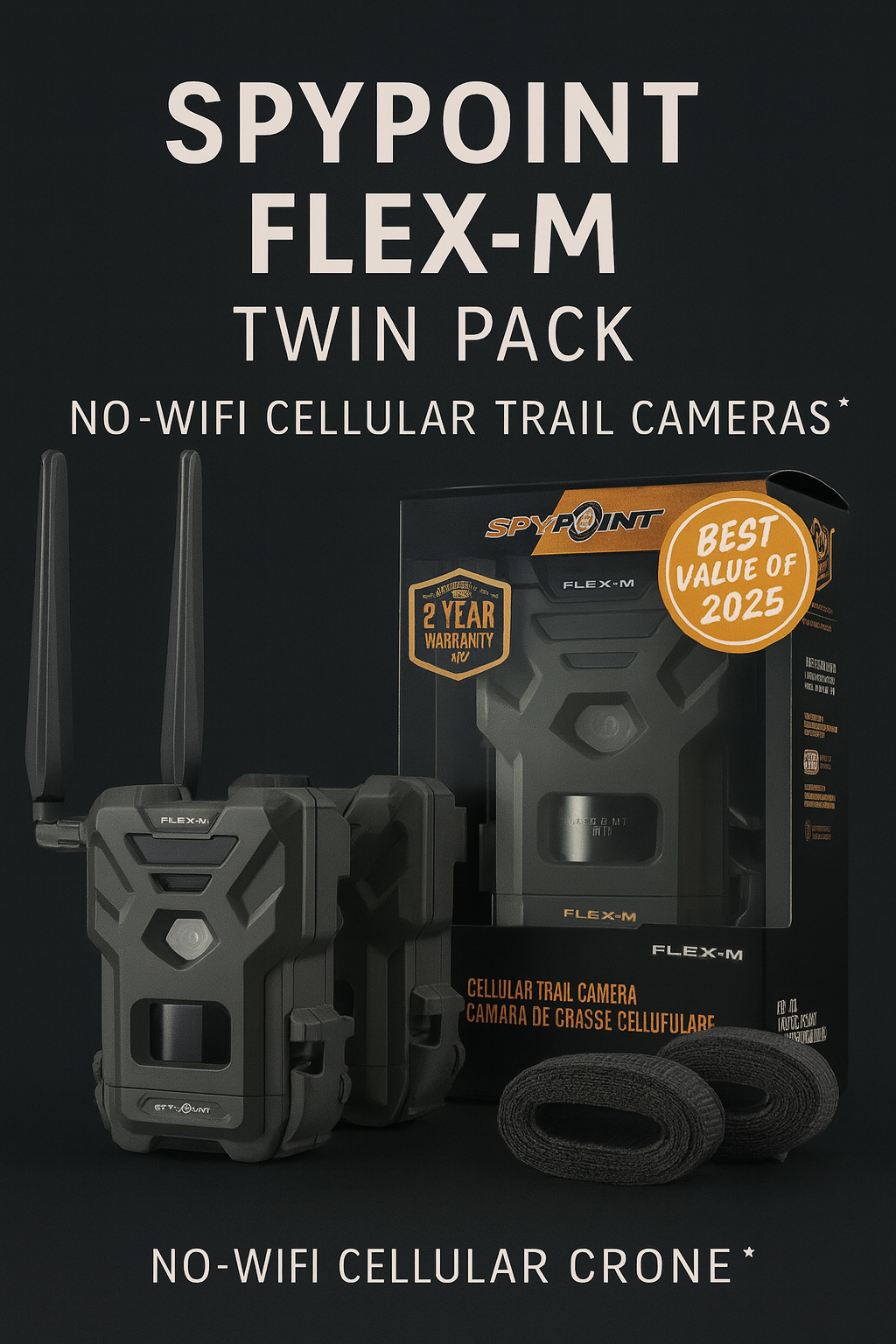
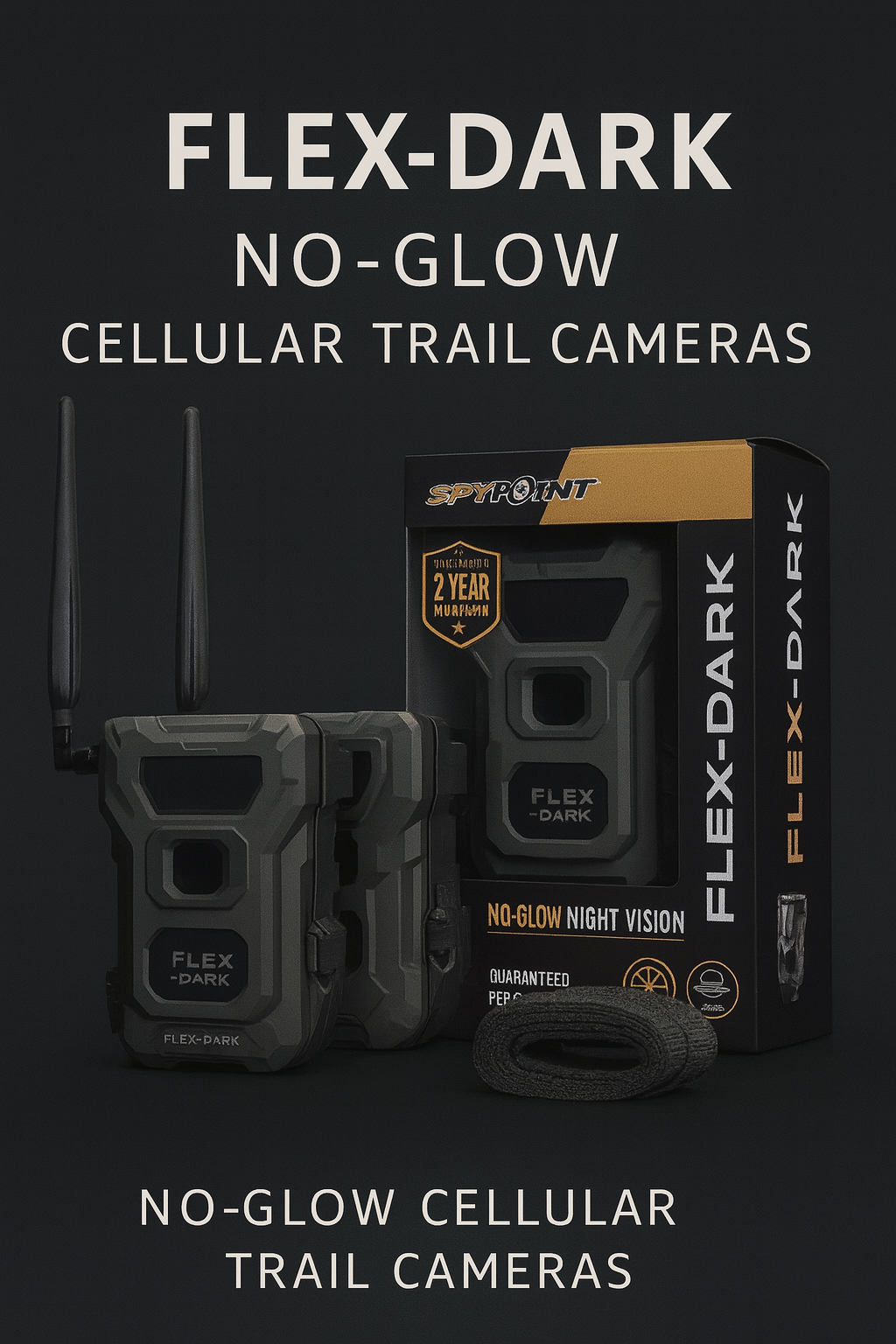

Infrared and Flash Give the Camera Away
Trail cams use infrared LEDs or white flash at night.
There are two types of infrared:
- Low Glow (850nm): Emits a faint, visible red light.
- No Glow (940nm): Emits an almost invisible black flash.
Animals see IR glow. Humans sometimes see it too if it’s strong enough.
The truth is, even the invisible $940nm$ ‘No Glow’ cameras give the game away. A creature with:
- higher sensory awareness
- night vision advantage
- intelligence
- pattern recognition
…will absolutely detect the camera. The tell isn’t just the light; it’s the slight mechanical click when the camera switches to night mode, or the subtle heat signature. They don’t just see the light; they register the sudden, unnatural signature in their environment.
Bigfoot doesn’t run from it.
It simply steps sideways into shadow.
Gone. No footage. No mystery.
Drones Look Impressive But Fail in Real Forest
People assume drones are magic eyes in the sky. But from a technical standpoint? They are nearly useless for detecting a hidden hominin.
1. Forest Canopy Blocks Everything
Thermal cameras cannot see through solid canopy. Heat signatures flatten or vanish under:
- fir branches
- cedar boughs
- snow-loaded limbs
- thick hardwood cover
The only way thermal works is if the subject is exposed to sky something Bigfoot avoids entirely.
2. Animals Freeze When Drones Appear
This is real wildlife biology. Deer freeze. Bears freeze. Wolves freeze. A loud buzzing sky robot triggers freeze response. An intelligent species? It simply waits. Motionless = invisible.
3. Cold Destroys Battery Life
Drone batteries lose 40–60 percent of runtime below freezing. In real wilderness? You get:
- 10–20 minutes max
- long recharge times
- no ability to cover big distances
You can’t search mountains with that.
4. Thermal Has a Physics Problem
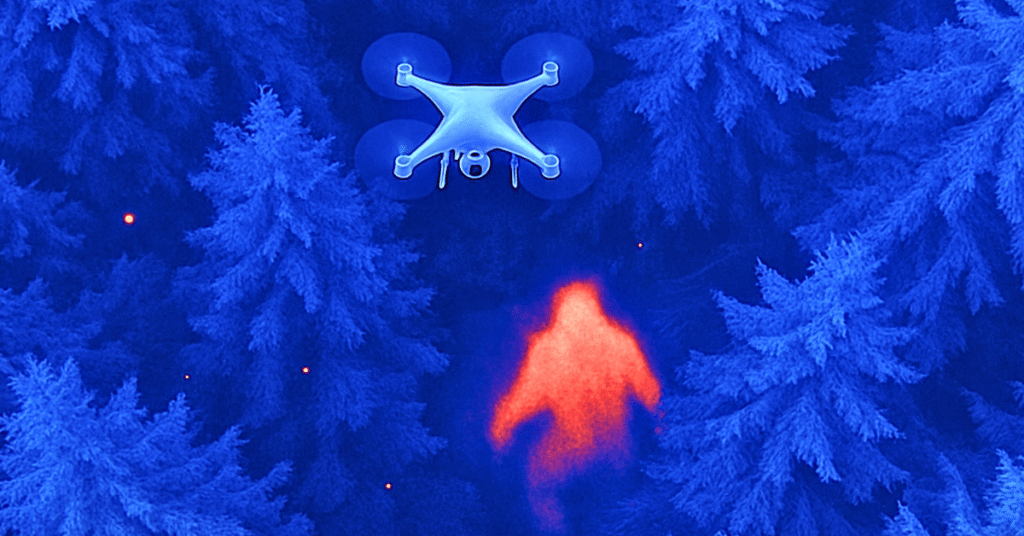
This is a visual illustration showing how thermal imaging collapses under forest canopy not real footage.
Thermal imaging requires a clear line-of-sight. If something is under:
- logs
- branches
- overhead rock
- ground clutter
- slope shadows
…it vanishes. Heat signatures don’t magically bend around objects.
Bigfoot’s Movement Style Makes Our Tech Useless
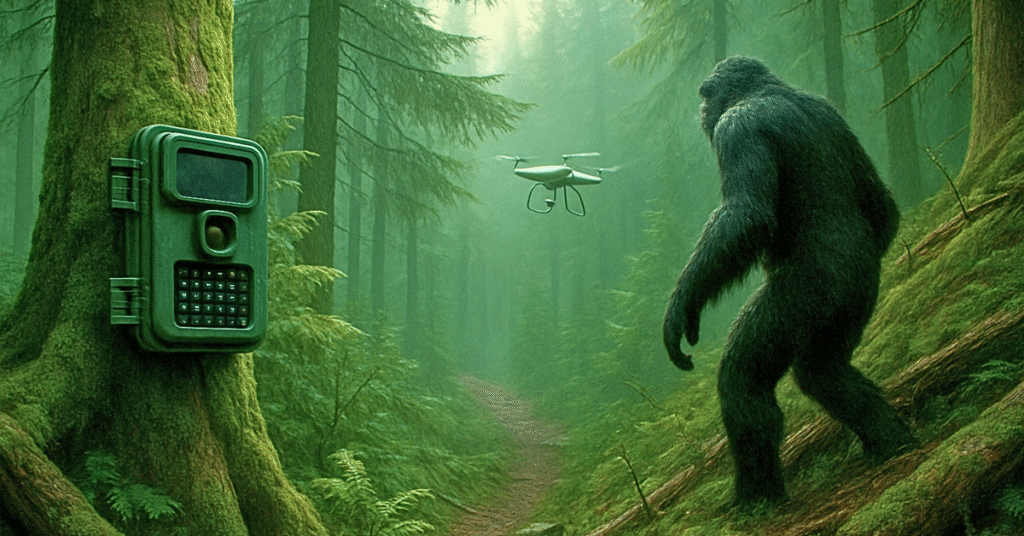
Illustration created to show how Bigfoot moves through shadow terrain unnoticed by tech. Not a real photograph.
Trail cameras expect:
- straight-line travel
- predictable paths
- repeated patterns
- open areas
Bigfoot doesn’t move like that. It is:
- Silent
- Intentional
- Avoidant
- Ridge-based
- Shadow-moving
- Unpredictable
Most detection tech relies on motion in open space. Bigfoot never gives you open space.
Bigfoot Learns Human Patterns Fast
If a creature can:
- watch hunters
- observe hikers
- track human paths
- recognize equipment
- study our camps
- observe from elevation
…then avoiding tech is easy. A being that has lived in the forest for thousands of years is not confused by a plastic box tied to a tree.
The Blind Spot is the Habitat
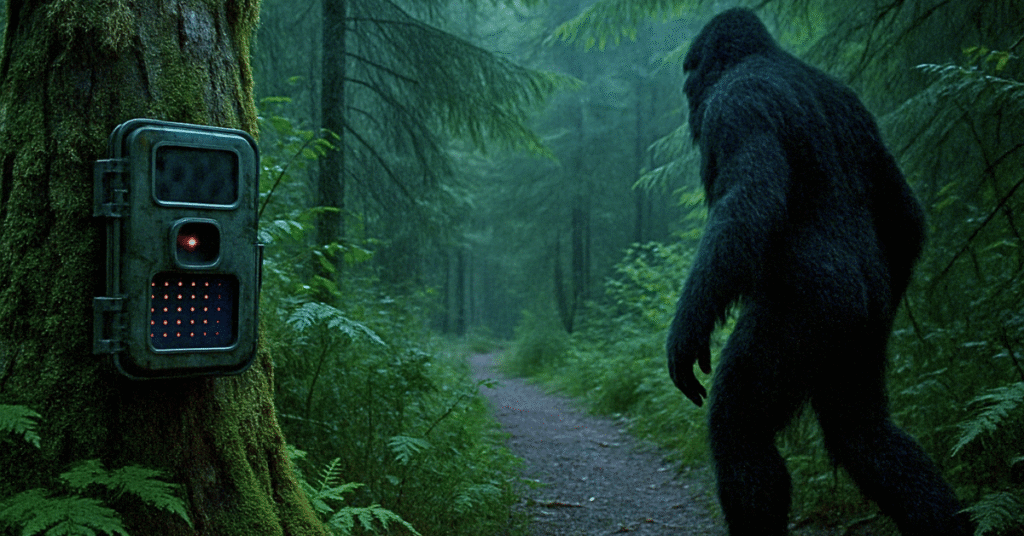
Illustration created to demonstrate trail-cam blind spots. Not an actual photograph.
Our gear was designed to find predictable game moving across open terrain. Bigfoot moves inside shadow corridors, deadfall channels, and ridge lines the very terrain depressions and cover density that our technology is programmed to ignore.
When you combine this fundamental design flaw with the extremely low population density of the species, the lack of footage isn’t a mystery; it’s a simple statistical and technical inevitability.
Top-Tier Drones for Serious Expedition (If Only They Worked…)
Even though drones won’t detect Bigfoot directly, they do help with:
- mapping routes
- scanning disturbed ground
- locating tree structures
- identifying travel corridors
- setting search grids
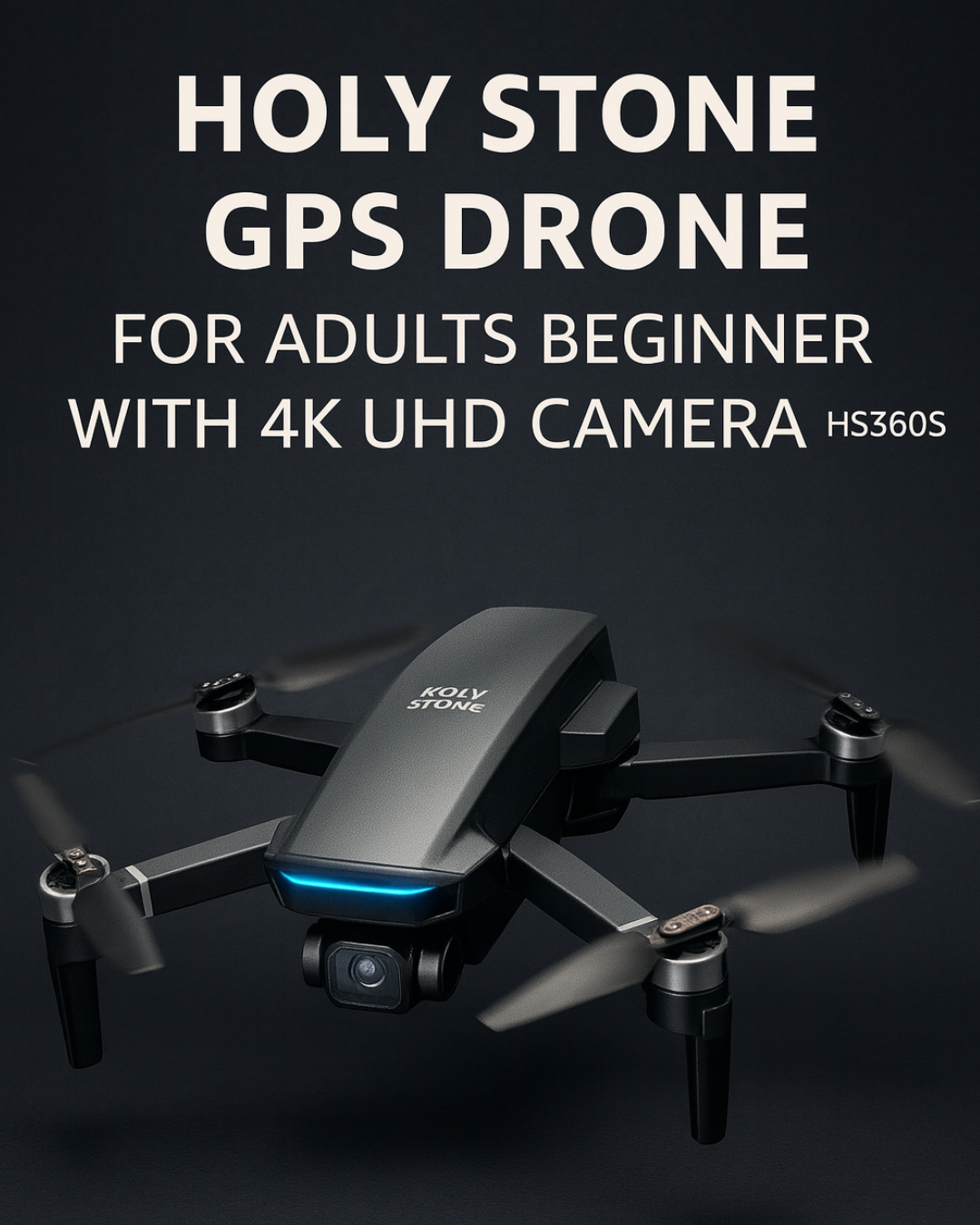
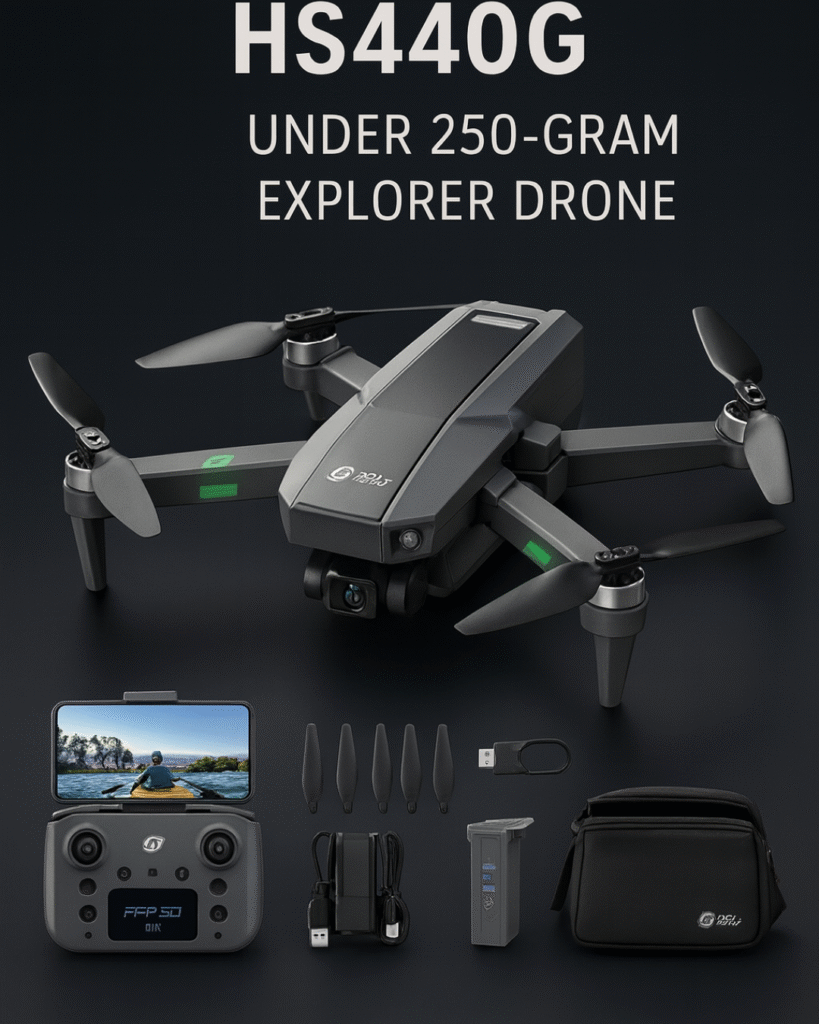
If you’re investing in real aerial support, these three drone models are the strongest available: They won’t catch Bigfoot on camera… but they will help you understand terrain Bigfoot uses.
Low Population = Low Chance of Capture
Even if our tech were flawless (it isn’t), Bigfoot population is extremely small. Low population + massive terrain = low capture probability. Trail cameras rely on density to succeed. Bigfoot is the opposite of dense.

People Also Asked
Why don’t trail cams catch Bigfoot?
Because Bigfoot avoids predictable game trails and stays in terrain where humans never place cameras.
Why don’t drones find Bigfoot?
Canopy cover, thermal limitations, and Bigfoot’s ability to freeze or stay under cover make drones ineffective.
Can Bigfoot see infrared light?
Most animals sense IR Bigfoot, being more intelligent, likely detects and avoids it instantly.
Is Bigfoot too smart for our tech?
Avoidance intelligence + unpredictable movement + low population = yes, it outplays our equipment easily.
A Winter Note on Technology
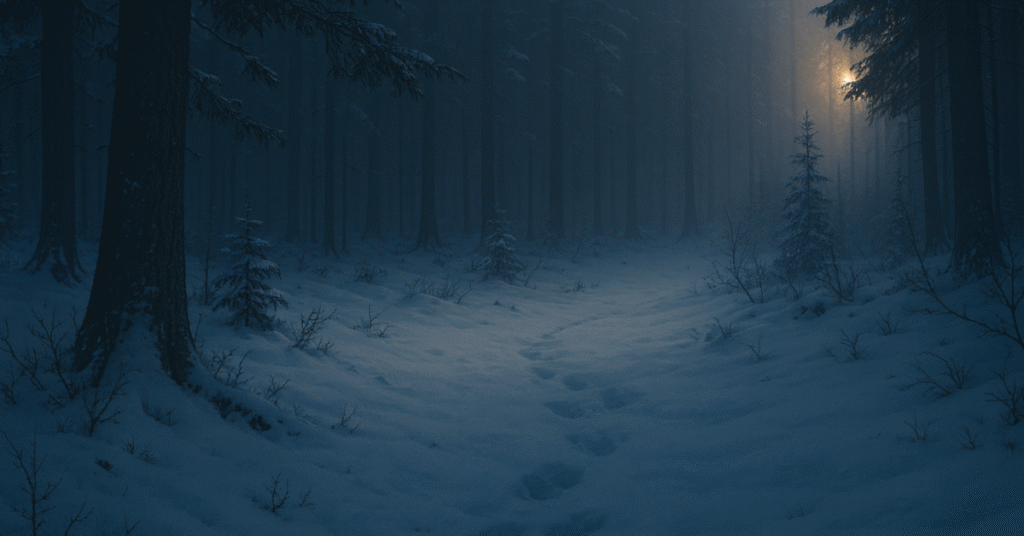
Snow shows more than cameras ever will.
Tracks hold.
Heat signatures stand out.
Sound travels further.
But winter is also when Bigfoot moves the least
and sticks to the deepest terrain.
The signs are there
just not in the places people look.
Next in the Series
Wildfoot Hypothesis Part 8
Deep Earth Theory: Why Bigfoot Uses Caverns, Caves, and Ancient Passages Humans Don’t Explore